Bitcoin Network Security & Quantum Resilience Guide
Rubén Pérez Aledo
Founder, TwentyOne
Far from being a mere speculative digital asset, Bitcoin operates as the world’s most secure, decentralized computing network. Its security is not managed by a corporate board or a central bank, but by an unyielding combination of thermodynamic cost, cryptographic mathematics, and decentralized human consensus. In this guide, we will analyze the technical pillars that make Bitcoin secure, map out exactly how individuals can actively protect and contribute to the protocol, and explore how the network is preparing to evolve against future existential threats like quantum computing.
The Architecture of Trust: What Makes Bitcoin Secure?
Bitcoin’s security architecture relies on a game theoretic equilibrium where it is always exponentially more expensive to attack the network than it is to cooperate with it. This trustless security is sustained by three core technical mechanisms: Proof of Work (PoW), Cryptographic Asymmetry, and Distributed Ledger Validation.
The first defense mechanism is the computational wall of Proof-of-Work. Miners utilize specialized hardware (ASICs) to solve millions of trillions of cryptographic puzzles every second via the SHA-256 hashing algorithm. To alter a single past transaction, an attacker would have to clear the hurdle of the "51% attack" meaning they must control more computing power than the entire rest of the network combined. Because of Bitcoin's massive scale, the physical electricity, hardware infrastructure, and capital required to pull this off would cost billions of dollars, only to achieve a self-defeating goal: destroying the value of the very asset they just spent a fortune to manipulate.
The Human Element: How to Actively Support and Participate in the Network
Because Bitcoin is completely decentralized, it does not maintain itself. Its survival relies entirely on independent participants running different aspects of the infrastructure. Depending on your technical background and available resources, there are distinct ways to actively contribute to the protocol:
- Running a Sovereign Full Node (The Consensus Enforcer): You do not need to be a miner to voice your stance on the network's rules. By downloading the blockchain ledger and running a full node using software like Bitcoin Core, you autonomously validate every transaction and block. Nodes are the true judges of the network; if a powerful mining entity tries to introduce a block that violates the rules (like fabricating inflation), your node will instantly reject it.
- Technical Auditing and BIP Contribution (The Protocol Layer): For developers with a strong foundation in low-level programming systems like C++, the entire protocol is open-source. Anyone can head over to GitHub to audit code changes, review active Bitcoin Improvement Proposals (BIPs), or run code simulations on the Signet or Testnet environments to ensure system upgrades do not introduce software regressions.
- Strict Address Hygiene (The User Security Layer): Users actively protect the ecosystem by implementing proper UTXO (Unspent Transaction Output) management and address hygiene. Utilizing modern hierarchical deterministic (HD) wallets that generate a brand-new public address for every single inbound transaction keeps public keys obscured and vastly reduces the network's passive attack surface.
The Future Vector: Demystifying the Quantum Threat and the Post-Quantum Era
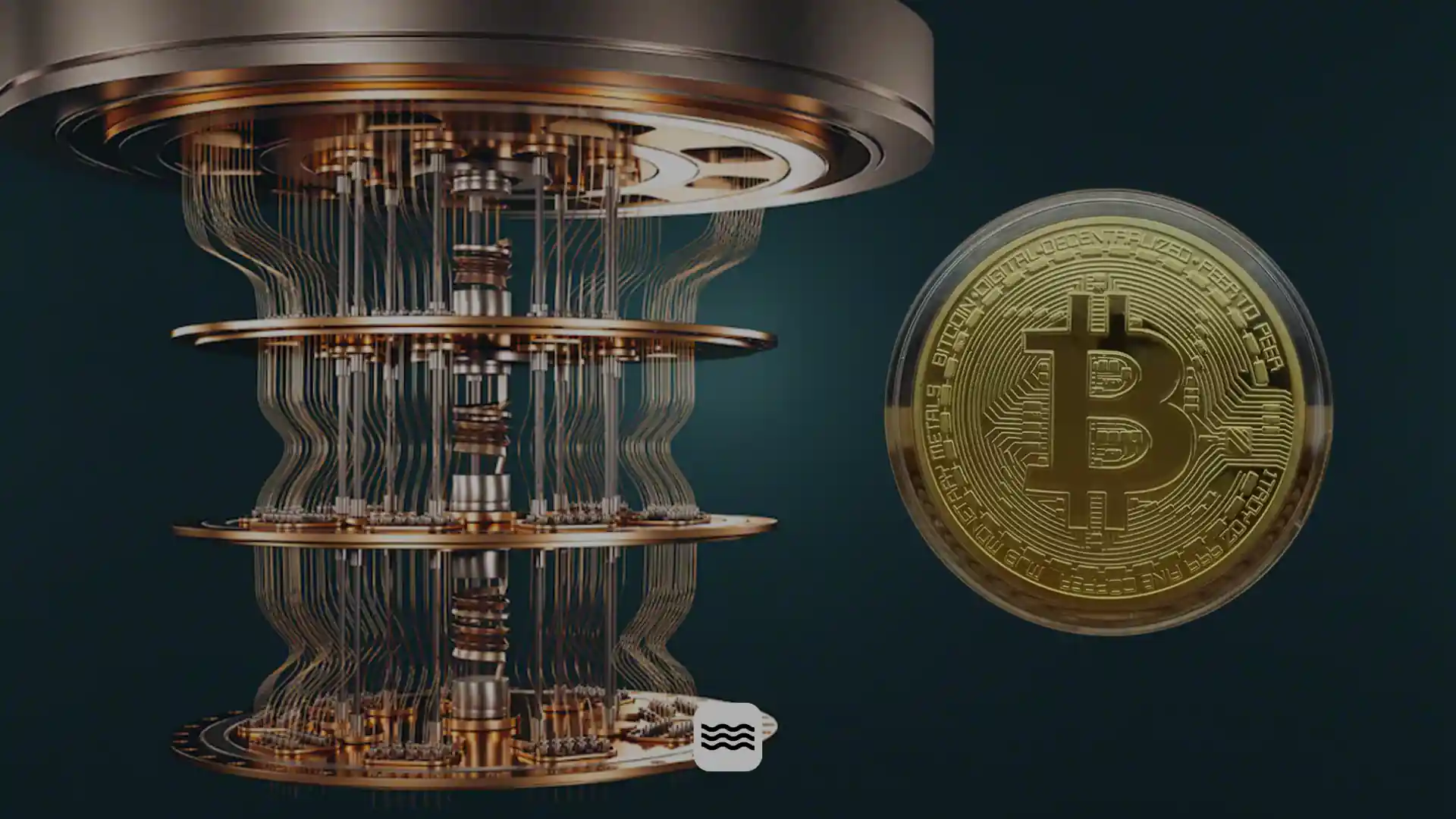
As we look to the coming decades, the biggest theoretical challenge to modern cryptography is the advent of quantum computing. Current Bitcoin security utilizes the Elliptic Curve Digital Signature Algorithm (ECDSA), specifically the secp256k1 curve, to derive public keys from private keys. While a classical supercomputer would take billions of years to reverse this process, a sufficiently powerful quantum computer running Shor’s Algorithm could theoretically derive a private key directly from an exposed public key. Here is how the network is mathematically structured to survive this shift:
| Protocol Component | Current Cryptographic Standard | Quantum Vulnerability Level | Post-Quantum Upgraded Path |
|---|---|---|---|
| Unused/Hashed Addresses | SHA-256 & RIPEMD-160 double hashing. | Immune: Grover's Algorithm only reduces security margins safely to a still-unbreakable 128-bits. | No modification required. Standard address hashing naturally resists quantum discovery. |
| Exposed Public Keys | ECDSA (secp256k1) public key components. | High Risk: Shor's Algorithm can compute discrete logarithms to deduce private keys. | Soft-fork implementation of Quantum-Resistant Schemes (e.g., SPHINCS+ or Lattice-based signatures). |
| Network Mining Block Hash | Double SHA-256 Proof-of-Work. | Low Risk: Quantum speedups are linear, easily countered by the network's automatic Difficulty Adjustment. | No core changes needed; hashing algorithms naturally neutralize quantum optimization advantages. |
The Evolution Path: Soft Forks and Quantum Migration
Because Bitcoin is built as an evolutionary software protocol, it does not need to be replaced to survive; it simply changes its cryptography via a backward-compatible upgrade known as a soft fork. When quantum computing resources scale to dangerous levels, the developer consensus will introduce new script formats that support post-quantum cryptography (PQC). Users will seamlessly move their funds out of legacy, exposed addresses and into these advanced, quantum-secured formats. Bitcoin has historically demonstrated this adaptability through upgrades like SegWit and Taproot, proving that the network can completely swap out its underlying cryptographic plumbing without ever pausing the global ledger.
Keep Your Multi-Asset Strategy Secure with TwentyOne Portfolio
Navigating the evolving landscape of digital networks, sovereign assets, and traditional equity positions requires meticulous planning and consistent strategic oversight. As you secure your long-term wealth across cryptographic assets, physical safe havens, and traditional brokers, maintaining a fragmented view of your global net worth leaves you highly exposed to structural oversights and emotional decision-making during sudden macro updates.
With TwentyOne Portfolio, you can eliminate the friction of tracking a diversified, resilient investment model. By serving as your primary digital financial dashboard, our system allows you to accurately monitor your digital assets, safe-haven holdings, and core investments side-by-side in real-time. You can clearly analyze your asset allocations and visual cushions across market fluctuations. This grants you the exact clarity needed to evaluate your true financial health, safely adjust your strategy, and ensure your long-term capital remains fully insulated against both classical market cycles and future technical paradigms.