The Anatomy of a Recession: Key Indicators Explained
Rubén Pérez Aledo
Founder, TwentyOne
The global economy, much like the climate, is governed by cyclical patterns of expansion and contraction. For individuals, business leaders, and investors, the ability to anticipate an economic downturn is not merely an academic exercise; it is a fundamental survival skill. In the complex landscape of 2026, where technological disruption, shifting trade dynamics, and evolving monetary policies intersect, the "compass" used to navigate these waters is a constellation of economic indicators.
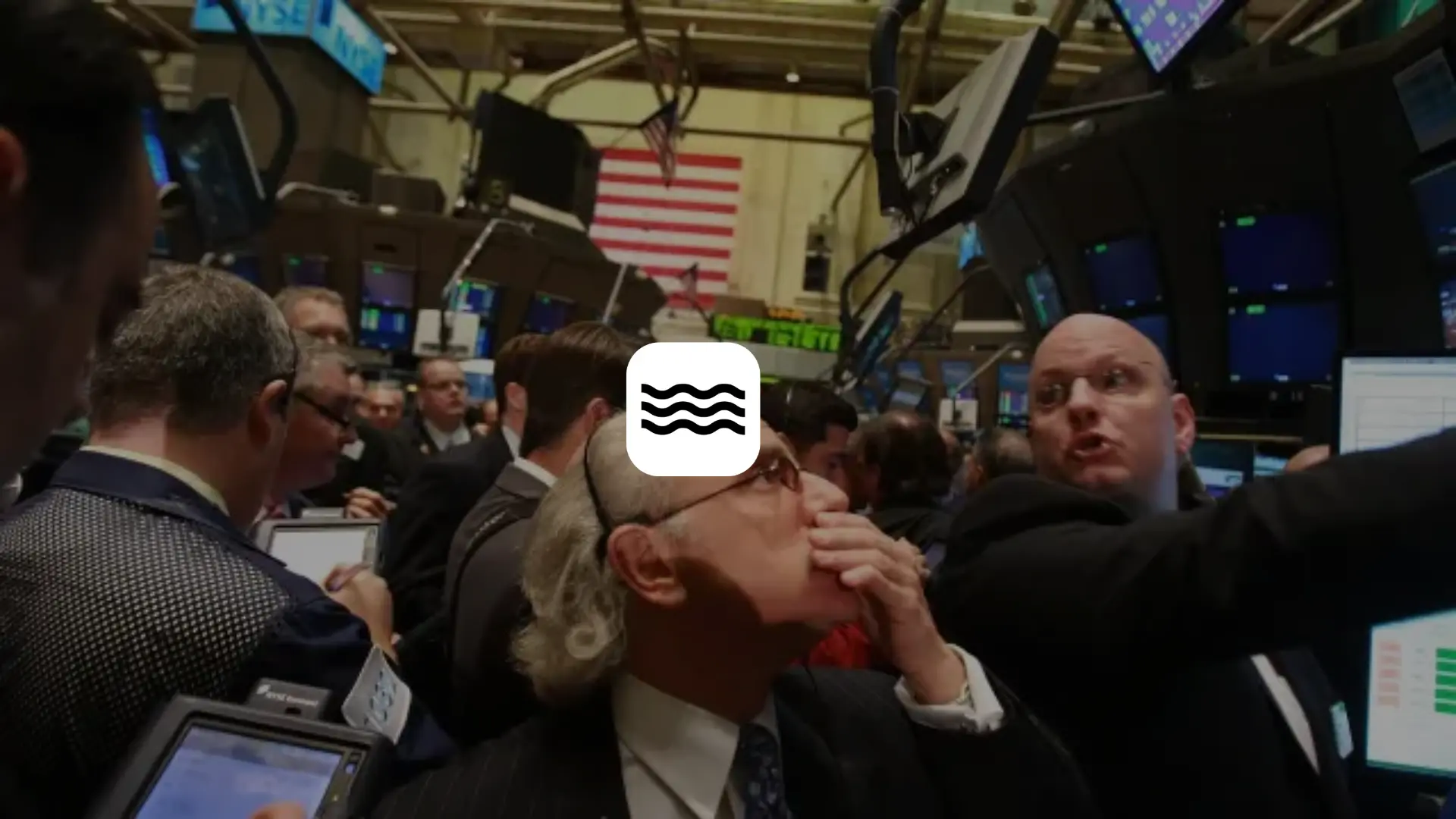
Defining the Threat: What is a Recession?
At its core, a recession is a significant, widespread, and prolonged decline in economic activity. While the National Bureau of Economic Research (NBER) remains the final arbiter for defining recessions in the United States, we look for a confluence of factors: shrinking real GDP, rising unemployment, declining industrial production, and a slowdown in wholesale and retail trade.
Recognizing these signs is critical because the consequences are profound:
- For Individuals: It often leads to job insecurity, wage stagnation, and a decline in portfolio performance.
- For Businesses: It manifests as compressed profit margins, reduced consumer demand, and difficult decisions regarding workforce reduction.
- For Governments: It triggers a cycle of declining tax revenue coupled with an increased need for social safety nets.
The Vital Signs: Key Recession Indicators for 2026
While many data points exist, a few have proven their reliability as early warning systems:
1. The Yield Curve Inversion
The bond market is arguably the most sophisticated forecasting machine in existence. An inversion (where short-term yields surpass long-term yields) is a powerful signal that investors expect the central bank to cut interest rates in the future to combat a slowing economy.
2. The Sahm Rule and Labor Market Dynamics
When the "Sahm Rule" the point at which the three month moving average of the unemployment rate rises 0.5 percentage points above its 12 month low is triggered, it has historically signaled the onset of a recession. In 2026, monitoring initial jobless claims remains essential.
3. Consumer Sentiment and Retail Velocity
Because personal consumption accounts for roughly 70% of the U.S. GDP, the psychology of the consumer is paramount. When sentiment indices drop, it is a harbinger of reduced discretionary spending and "tightening belts."
4. Credit Conditions and Market Volatility
A recession is often preceded by a "credit crunch." By monitoring credit spreads the difference between the yield on risky corporate bonds and safer government bonds we can detect if the market is beginning to fear corporate defaults.
Strategic Preparedness
No indicator is a crystal ball. The most prudent approach is to seek a confluence of signals. When multiple indicators align, the probability of a recession becomes significantly higher. For the modern investor or business manager, responding to these signals requires discipline: avoiding emotional reactions, rebalancing strategically, and maintaining liquidity.
In today’s volatile economic landscape, fragmented spreadsheets are a relic of the past. To navigate the complexities of 2026, you require a solution that is as integrated and precise as the markets themselves.
TwentyOne Portfolio serves as your centralized intelligence hub. By consolidating your diverse holdings into a single, minimalist dashboard, it transforms raw data into actionable clarity allowing you to stress-test your wealth against real-time macroeconomic shifts.
Stop guessing and start optimizing. Whether you are scaling during growth or fortifying against a cycle’s turn, TwentyOne Portfolio provides the clarity required to execute with confidence. It is the definitive tool for those who prioritize foresight over reaction in an unpredictable financial world.
In conclusion, while we cannot prevent economic storms, we can certainly choose how we prepare for them. By monitoring the right indicators and utilizing high-performance platforms like TwentyOne Portfolio, you move from a state of reactive anxiety to one of strategic confidence.